What a Day Without Email Looks Like
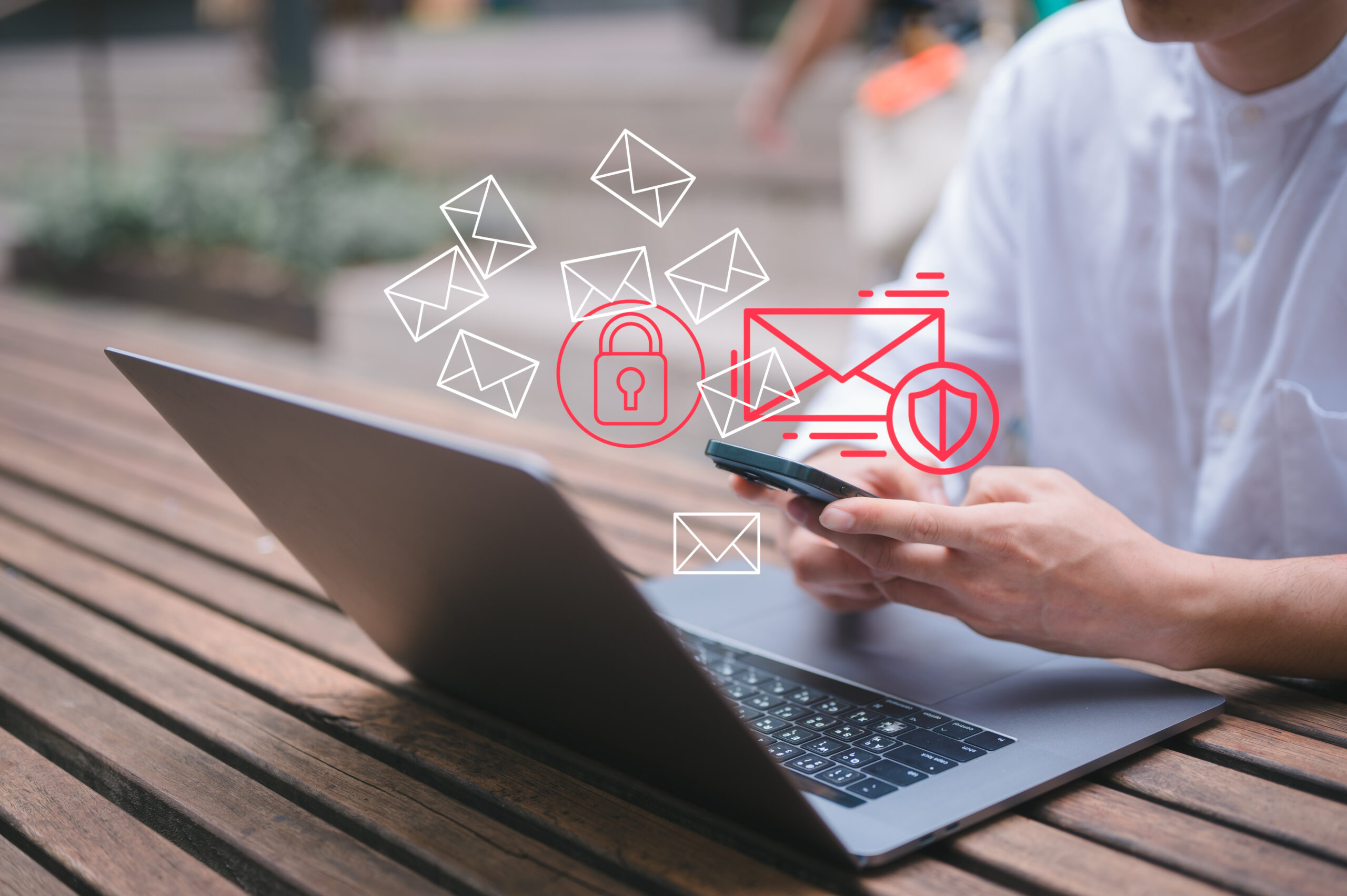
Last week, a Microsoft outage disrupted email for users in 74 countries. For roughly a day, customers waited and nobody could say when replies would come. If email is your only front door, could your business phone system step in?
How One Evening Left Customers Waiting
The trouble began on Thursday evening, 12 November. UK reports of problems with MS Teams started around 6.15pm. By Friday morning, almost 7,900 UK reports about Outlook had been logged. For most UK small and mid-sized companies, the impact was practical. Enquiries went unseen, invoices and quotes were delayed, and meeting invites wouldn’t send. The damage is also about customer trust.
One retailer told ABC News she feared customers would think she was ignoring them. This wasn’t the first time Microsoft suffered a disruption this year as a January outage lasted almost ten hours. So, the sensible question is not whether it will happen again, but if you’ll be ready if it happens again.
How to Keep Your Business Running During an Outage
When email or a key system fails, customers don’t see an IT problem, but they see a business as if it gone quiet. We’ve broke down five easy ways to make sure your business stays reachable when an outage happens.
1. Take Your Business Phone Mobile
Customers already trust the phone, and a call still connects when email can’t. If your number is tied to a desk, an office outage or an empty building stops you answering. Moving that number to a hosted business phone system with a mobile app allows you and your team to pick up from wherever you are, especially if one of your customers is waiting on a quote at 4pm when your office systems drop, and you are already on the train. Because your business number rings directly on your mobile app, you can still take the call, confirm the details, and save the sale.
2. Reassure Customers Instantly with SMS Marketing
SMS doesn’t depend on your email platform. A short message tells customers you’re still there and what to expect, which stops them assuming the worst or going elsewhere.
Let’s just say your email decides to go down on a Monday morning with 40 customer deliveries booked and you send one quick text to the affected customers saying “We’re having email issues, but your delivery is on track. Call us on [number] if you need us.” Your active response will automatically reassure your customers in minutes. As a result, instead of dealing with an influx of worried callers throughout the day, your phone lines stay clear, and the panic calls never come in.
3. Use WhatsApp Business on a Business Account
Many customers already use WhatsApp, so meeting them there is easy. However, you should keep customer communications on a business account and away from staff members’ personal phones. According to BCS, The Chartered Institute for IT, using personal WhatsApp and home emails can create serious GDPR risk.
For example, during an outage, an engineer starts sending job updates from their personal WhatsApp to get things moving. Weeks later, they leave and take those customer conversations with them. With a dedicated business account, the message history stays with your company, keeping your customer data secure and accessible.
4. Set up a Second Email Route on a Different Provider
None of this means you need to leave Microsoft, but you should consider having a reliable Plan B sitting alongside it.
If your main email provider goes down, a backup account on the same platform goes down with it. Keeping a second email route on a completely different provider, reserved strictly for urgent messages, ensures you can still send what cannot wait. Pairing this with a broader unified communications setup keeps your team connected across voice, messaging, and email even when one channel fails.
Say your primary email fails right when a supplier needs a signed approval by the end of the day. You send the document through your backup provider instead, and the order ships on time.
5. Tell customers how you’ll contact them
A backup channel only works if customers recognise it. A short “how we will contact you” page tells them what to expect, and it helps them spot fake messages, which tend to spike during outages. During an outage, a customer gets a text claiming to be from you and asking for payment details. Because they’ve seen your official page, they know you’d never ask that over SMS. They report it instead of paying.
Build Customer Confidence Before You Need it
A plan that has never been tested is just a guess. Our suggestion is to conduct a short review each quarter to help you find the gaps, like an outdated contact list or a forgotten login, while nothing is at risk.
Take a quick 20-minute test, where you might find that the backup email password is only known by one person who happens to be on holiday. You fix the issue that same afternoon, so when a real outage hits, it doesn’t disrupt your day.
Request a Business Continuity Plan Today
At Alfonica, we offer business continuity reviews and can help set up the right continuity plan for your specific business requirements. We start by looking at how your customers reach you, and then we build the backup solution around that.
Request a callback today and we will talk through the next steps together.